Published in 2025
How a D2C apparel brand crossed ₹1 lakh in revenue in its first 25 days
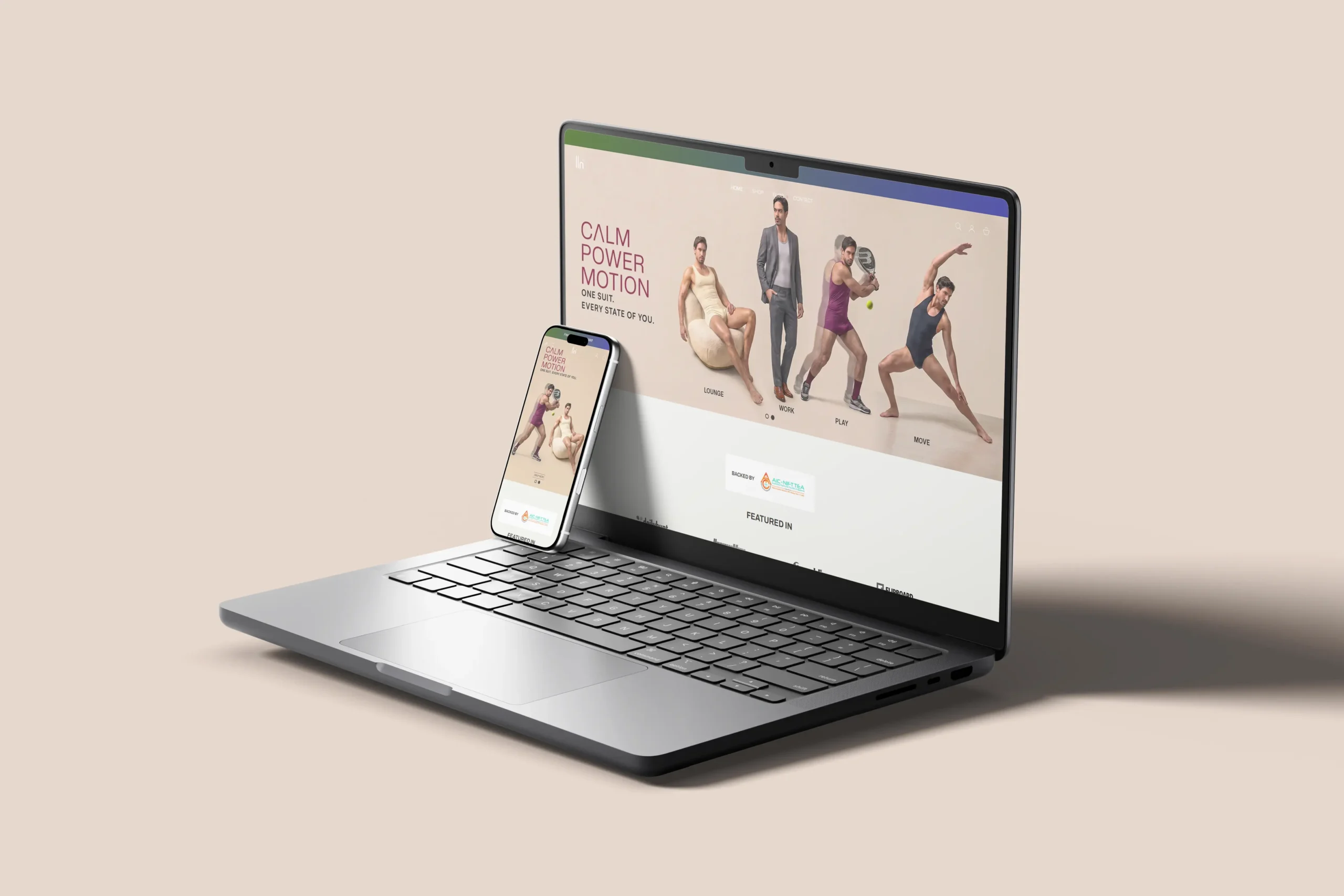
soma.xy came back to us with a half-built store and a vision that hadn’t changed — the premium Symmetry theme aesthetic, without the $400 license. We rebuilt it from the ground up in custom Liquid: a conversion-engineered storefront as deliberate as the brand. It crossed ₹1 lakh in its first 25 days, and the founder has returned for every build since.
Services
- E-Commerce
- UI/UX
- Custom Liquid Build
- Dynamic CMS Layer
- PDP Architecture
- Onsite SEO
- Blog Architecture
Industries
- D2C Apparel
Location
- Chennai
- India
₹1L+
Revenue · first 25 days
5×
Engagements & counting
Aug '25
First reached out
D2C Apparel
Custom Liquid Architecture
Conversion-Engineered PDP
Dynamic CMS Layer
Made in India
SOMA.XY
A premium brand that needed the right build partner.
soma.xy (Joks Apparels OPC Pvt. Ltd.) — India’s men’s bodysuits and premium apparel brand — first reached out in August 2025, preparing to launch and needing a store that matched their positioning. We quoted. They went with a local referral instead — an understandable call for a founder managing every decision at once.
Five to six weeks later, they were back. The previous developer had been trying, but couldn’t translate the brand vision into working execution. Mr. Jjwalla — clear enough about what he wanted to recognise when the build wasn’t matching it — stopped the project mid-way rather than accept a result that fell short. The store sat half-built: placeholder content live, sections incomplete, nowhere near launch-ready.
The previous build had a section structure but no clear path to launch. What we delivered was a complete, conversion-ready implementation of the vision the client had carried from the start.
The reference had always been clear: the Symmetry theme, a premium Shopify theme at ~$400 USD. The previous developer couldn’t replicate it. soma.xy needed someone who could take that ambition and build it — without the license, and without explaining the vision from scratch again.
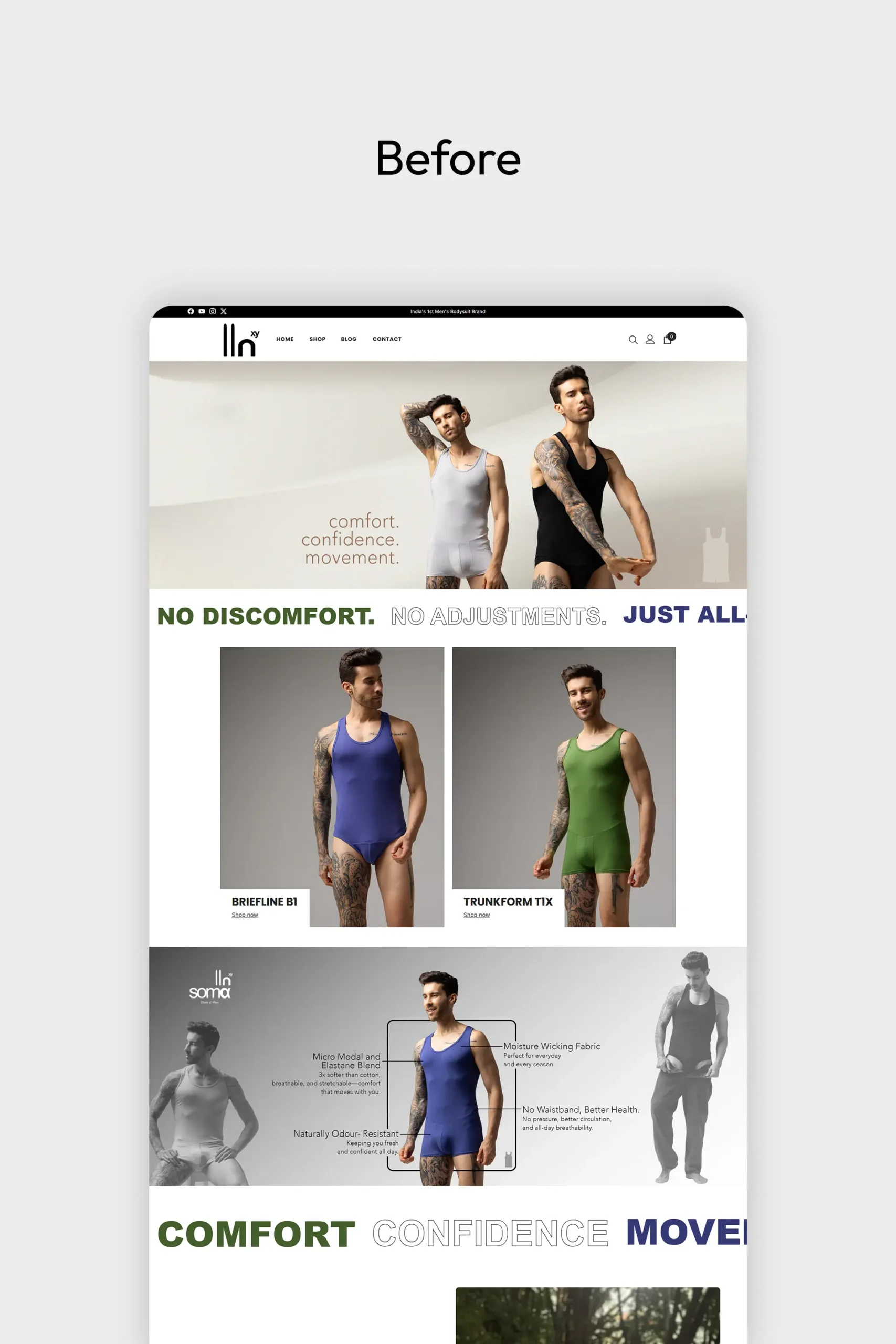
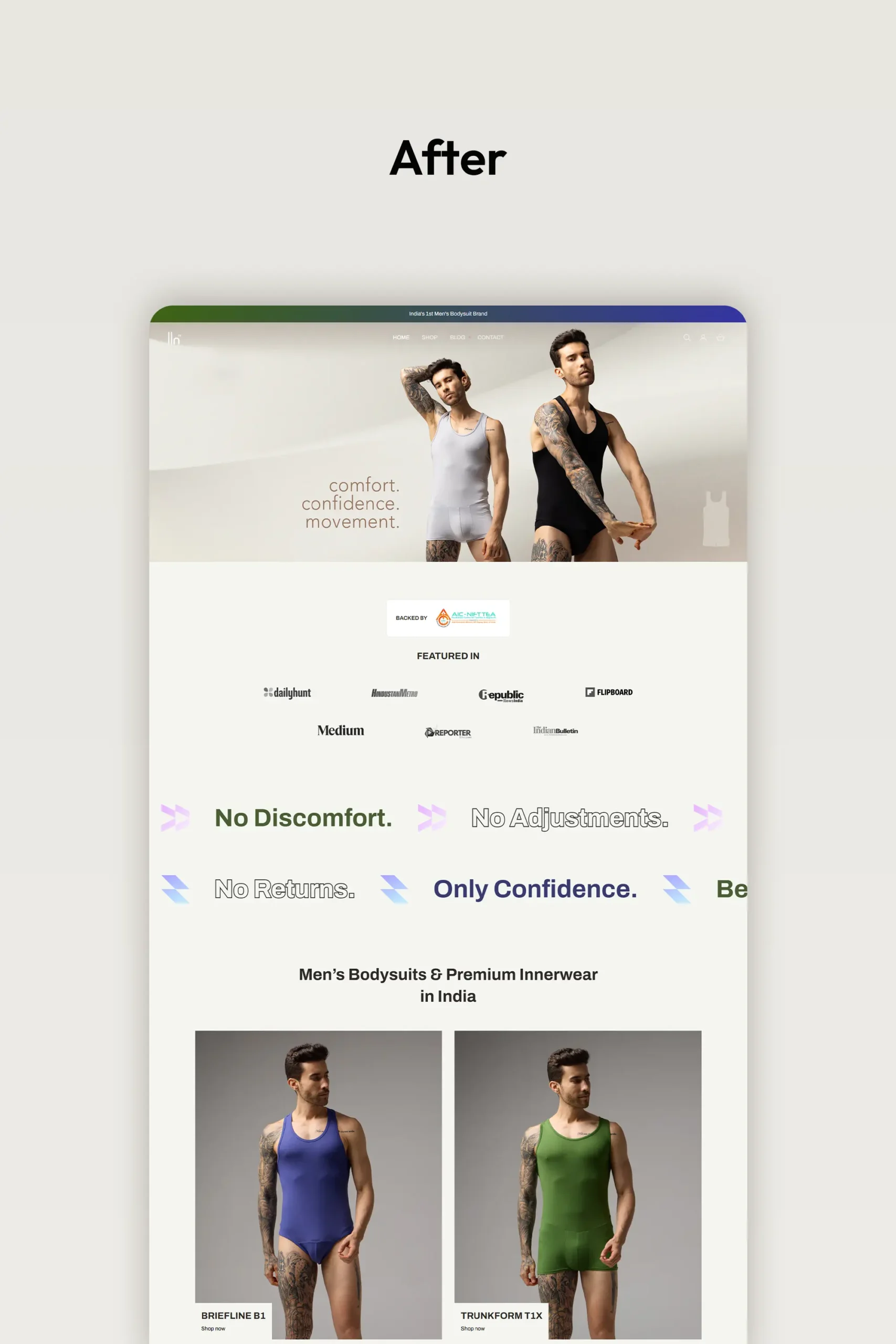
Built to the vision. Not to the theme's limits.
We started with the Symmetry theme as the primary reference — but the build didn’t stop there. Throughout the project, Mr. Jjwalla shared references section by section: layouts from brands in his niche, interaction patterns from outside it, specific features he’d seen elsewhere and wanted executed within his brand. We mapped each one and implemented everything that was within scope — keeping the visual identity coherent across references that came from completely different sources.
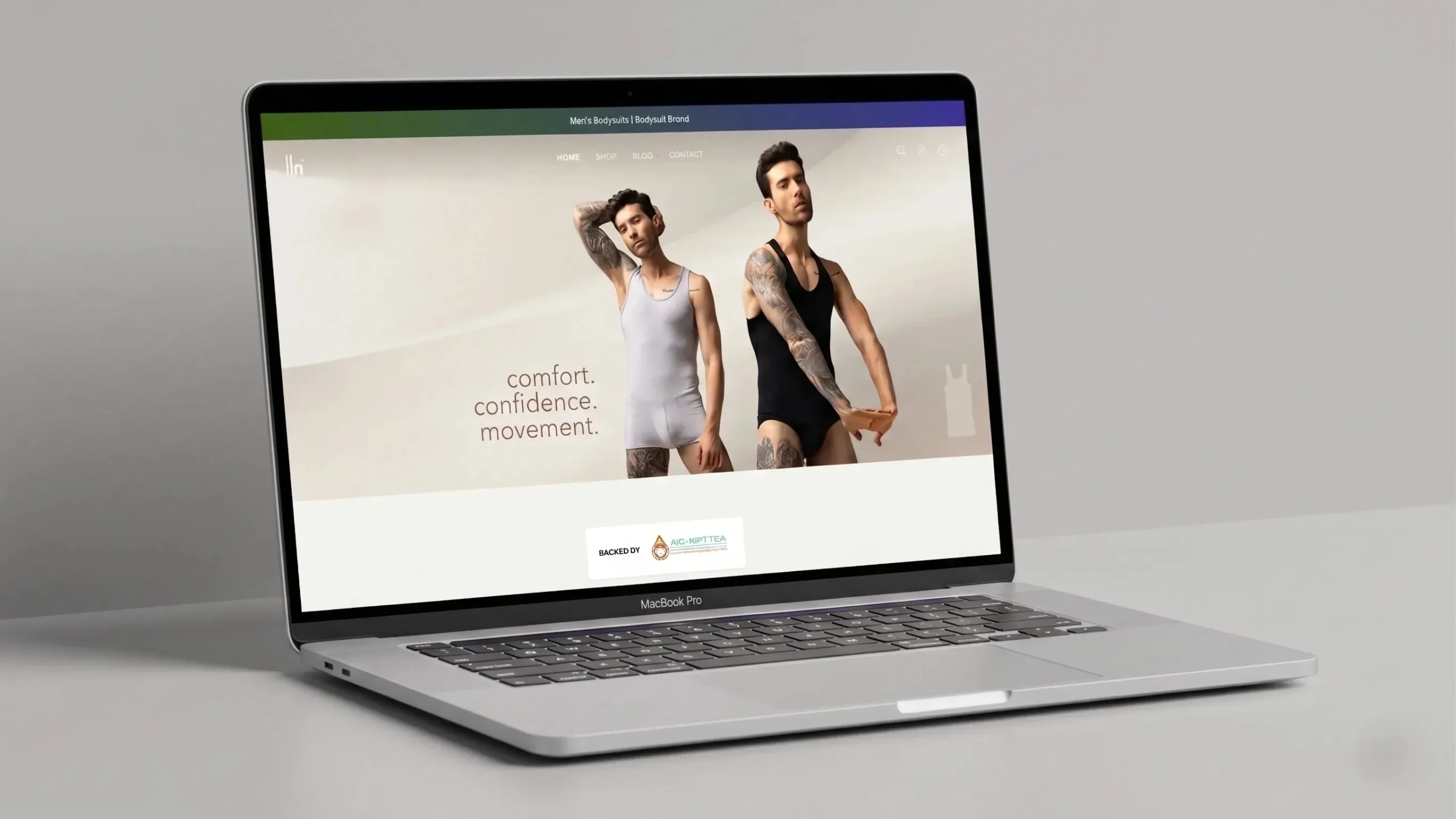
The result isn’t a copy of Symmetry. It’s a store built to a vision, using the theme as a starting point and custom Liquid wherever the theme’s defaults hit their ceiling — which was frequently. The Horizon theme’s native blocks couldn’t deliver what the brand needed. So we engineered around them.
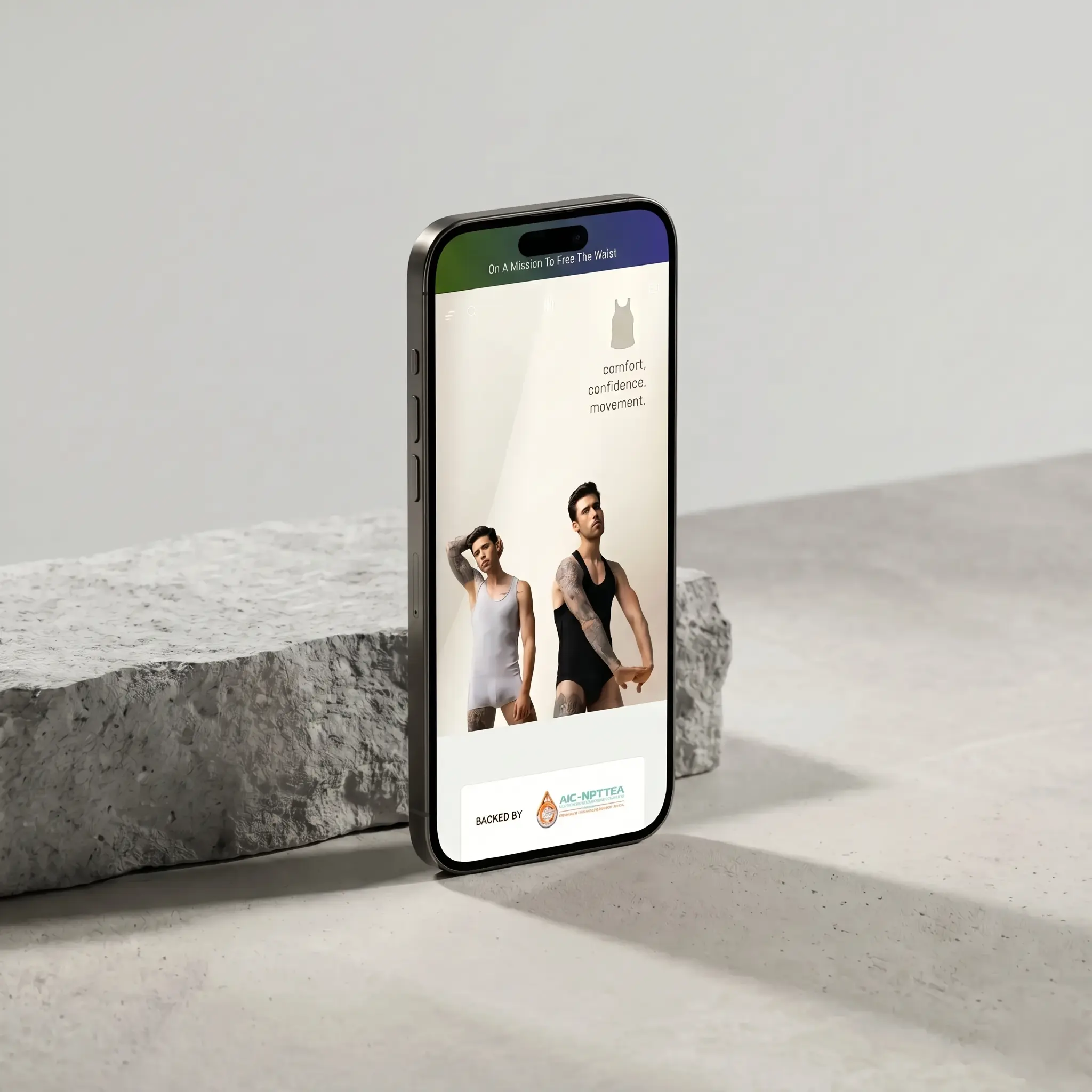
Custom-engineered layout
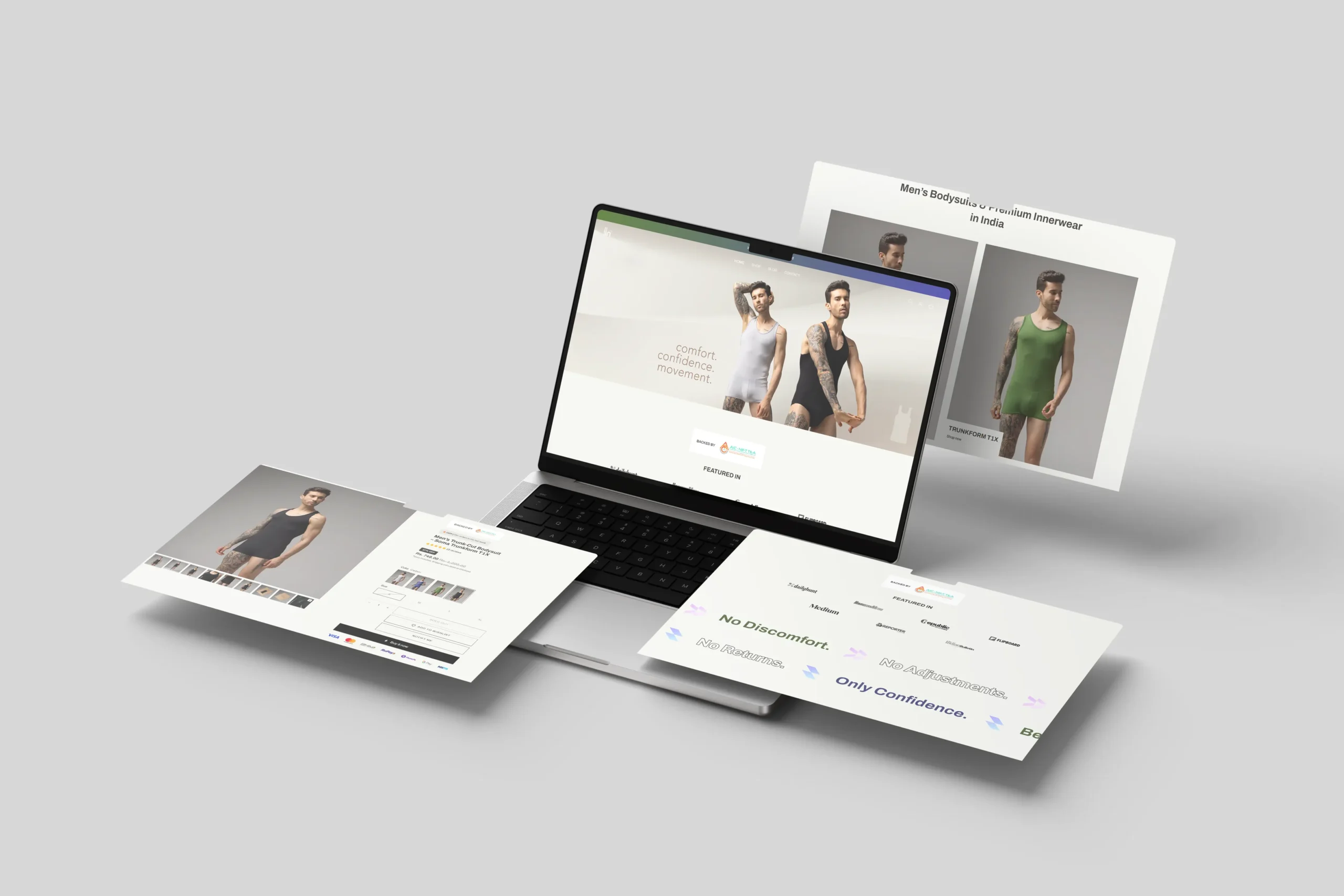
CSS-customised throughout to override theme defaults, with custom Liquid sections wherever the theme couldn’t deliver — homepage hero, PDP architecture, and a fully custom blog. Zero reliance on theme blocks for any critical section. The Symmetry aesthetic, without the $400 license.
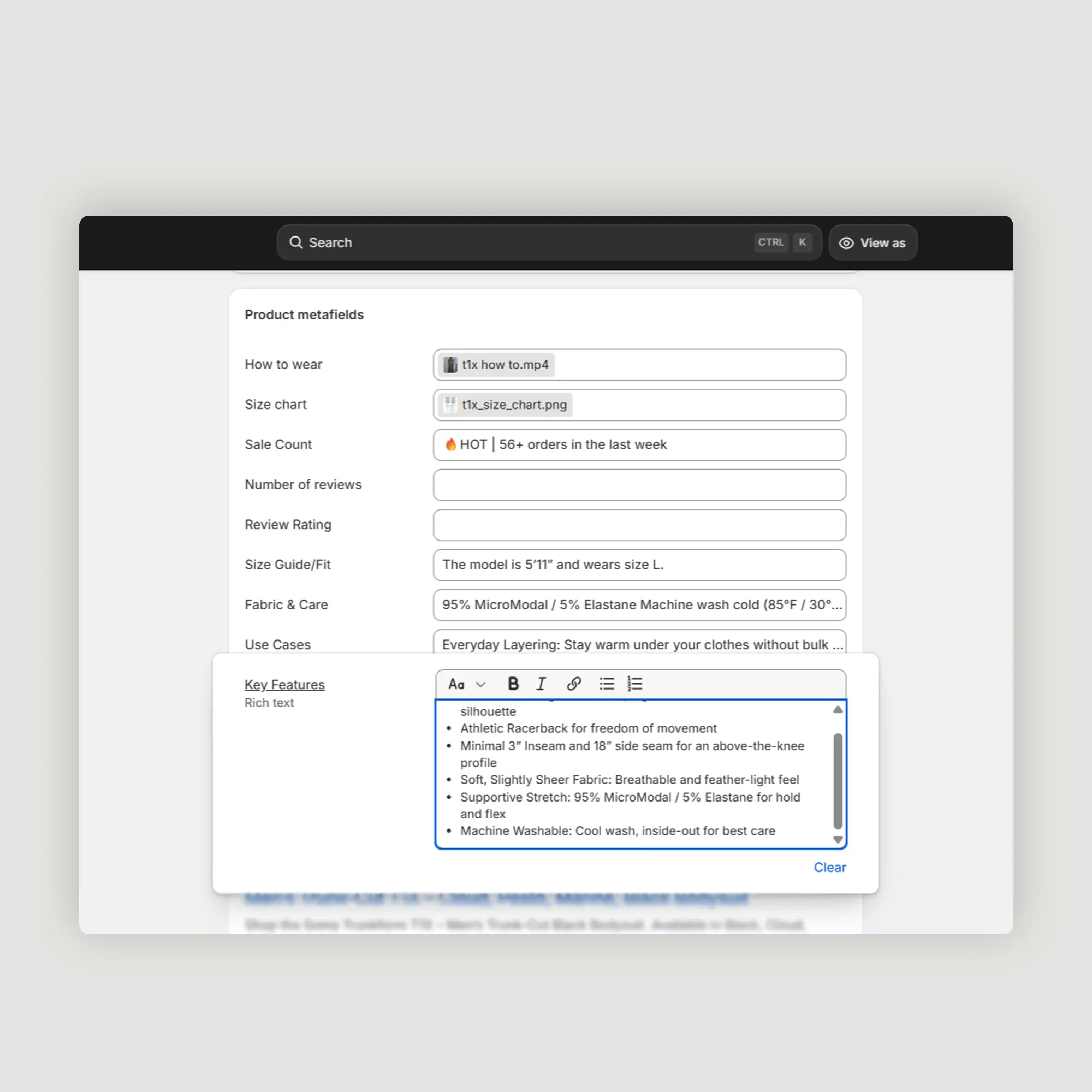
5-field dynamic CMS layer on PDP
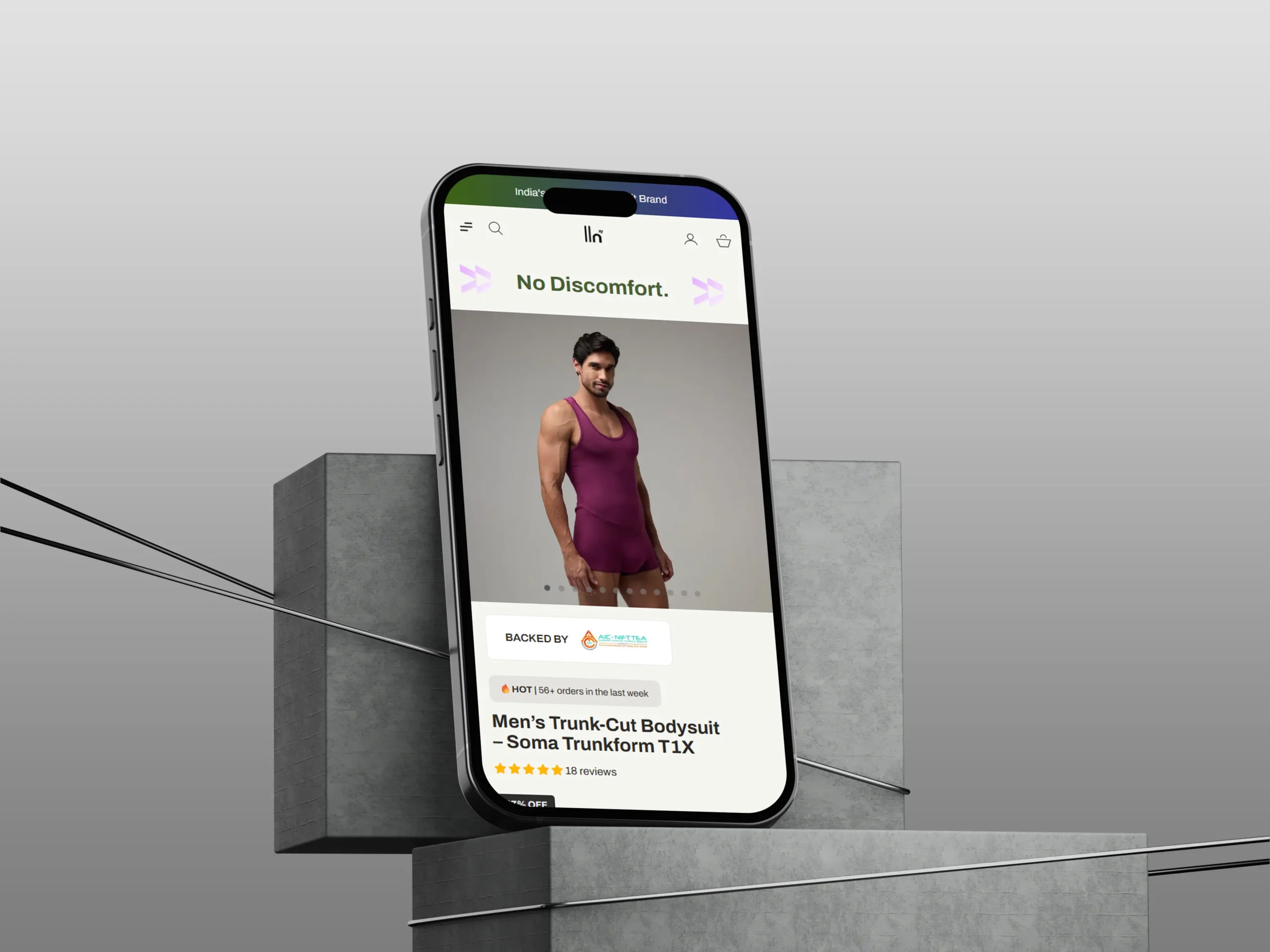
Most developers duplicate templates or stuff everything into the description field. We built five dynamic product-level metafields beyond the description, managed entirely from Shopify admin. One template across every product — the client adds or removes information and the store handles the display automatically.
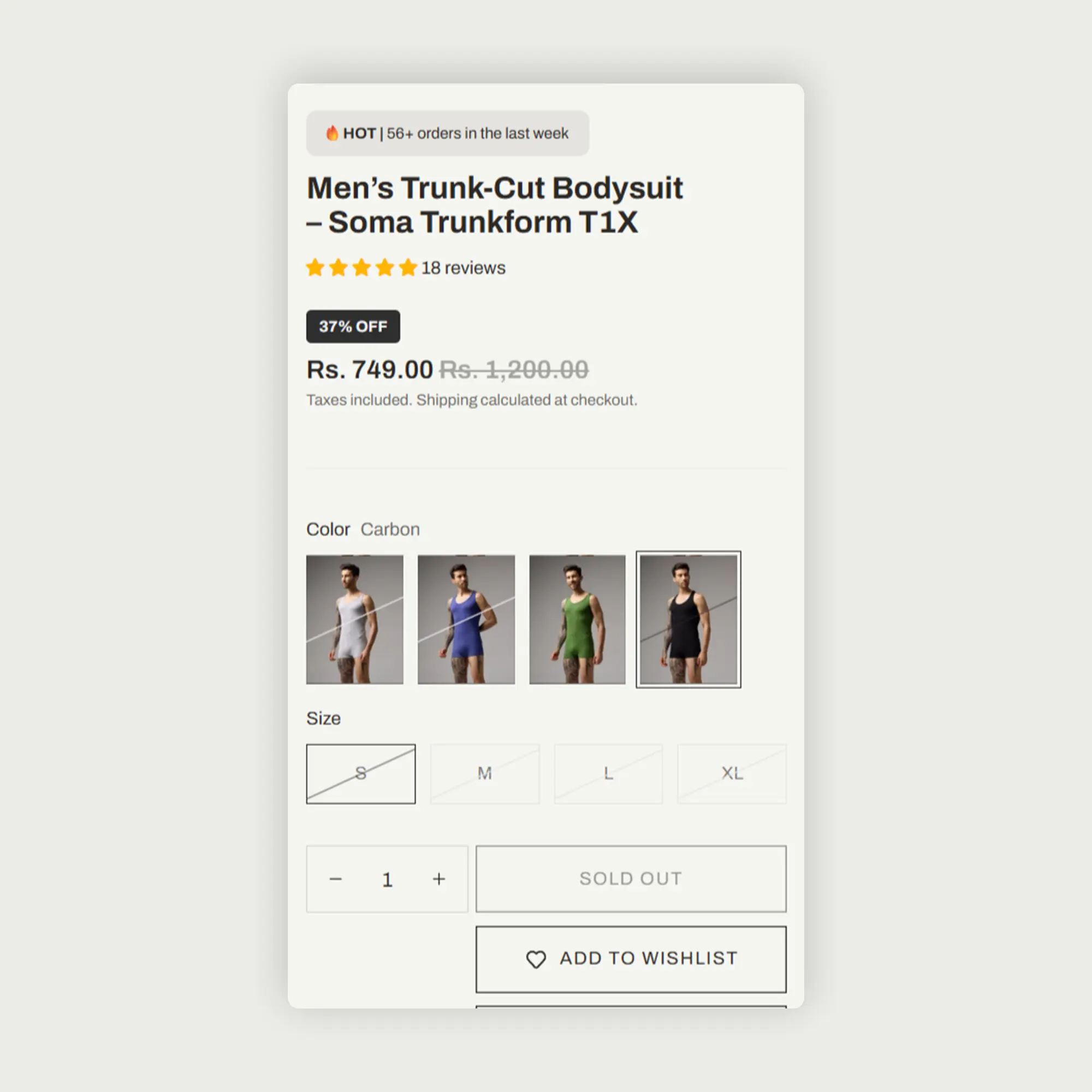
Per-variant colour gallery filtering
Shopify’s Horizon theme shows every colour variant’s images regardless of selection. We engineered a custom feature using image alt-text logic to filter the gallery to the selected variant only — a cleaner, more intentional product experience the theme doesn’t support natively.
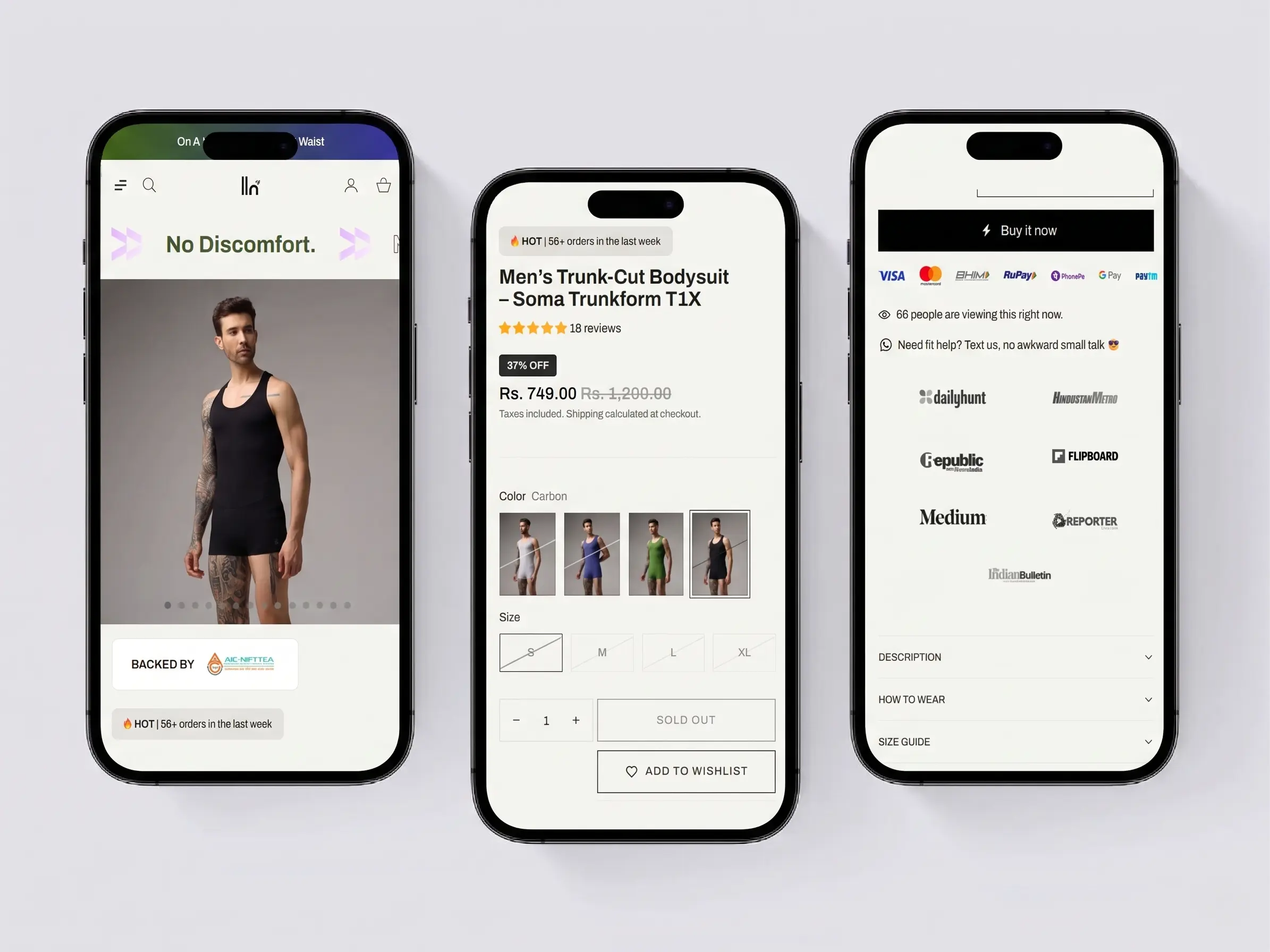
Conversion-engineered PDP
Urgency triggers, FOMO cues, and dynamic metafields that surface product-specific data contextually — all built into a single product template that handles every SKU without duplication.
Payment gateway (alt.) + checkout
PhonePe gateway integrated on Shopify’s native checkout — brand-aligned styling, mobile-first, minimal friction at the final step.
Judge.me — custom UI
Code-level override of Judge.me’s default widget styling, fully aligned to Soma’s aesthetic with automated review-request flows.
Foundational SEO + custom blog
Meta tags, friendly URLs, and a fully custom Liquid blog — zero theme blocks — with custom archive and single-post templates for organic discovery from day one.
₹1L+
Within 25 days of going live, soma.xy crossed ₹1 lakh in revenue.
The store launched. Meta ads drove traffic. The store converted. The founder confirmed the result directly — and came back for the next build, then the one after that.
we crossed 6 fig in rev — wouldn't have been possible without your website. site had a lot to do with it.
Mr. Jjwalla Sekar
Founder & CEO, soma.xy · Joks Apparels OPC Pvt. Ltd.
Not a one-time build. A long-term store partner.
Since launch, soma.xy has returned to AestheticAlly for every significant store development. Five engagements. Each one solving a specific problem. No re-briefing a new developer. No explaining the store’s architecture from scratch each time. Just fast, precise execution from a team that already knows the store inside out.
Full store build
Custom Liquid architecture on a free-theme foundation — engineered to the Symmetry aesthetic without the $400 license. Five product-level CMS metafields. Per-variant colour gallery filtering from image alt-text logic. Conversion-engineered PDP, custom blog, foundational SEO, and an optimised checkout flow.
Payment gateway + full analytics stack
PhonePe payment gateway integrated on Shopify's native checkout. Complete GA4 + GTM tracking. Judge.me review app integration with automated review-request flows, replacing the initial launch widget as review volume grew.
Always there when it matters.
The brand later moved to Flexype, a third-party checkout integrated by Flexype's own team. When that integration broke the live store's UI, we stepped in and fixed it within hours — at no charge. The client never lost a day of selling. This is the part of the partnership that never shows up on an invoice: when something breaks, we're already on it.
Custom blog architecture + SEO repair
Fully custom Liquid blog — zero theme blocks — with custom archive and single-post templates. Repaired site-wide regressions introduced by an external SEO team, including broken section logic across multiple pages.
Judge.me UI customization
Code-level override of Judge.me's default widget styling, fully aligned to Soma's brand aesthetic. Zero app defaults visible in the final output.
Hero carousel, catalogue & pre-order campaign
Shopify's Horizon theme had no native solution for responsive banners — the standard workaround is duplicate sections: one for desktop, one for mobile, with the other hidden at each breakpoint. Two visible banner areas meant four sections running in the background on every page load.
We replaced all four with a single custom-built carousel section, used twice. Cleaner to manage, lighter to load, and smart enough to skip rendering anything left empty — no unused buttons, no wasted code.
The result: despite adding more banners, the homepage got faster. Load time dropped from ~2,000ms to ~1,800ms.
The catalogue was updated and a pre-order campaign was run via a third-party app, then cleanly reverted to the store's original state once it closed.