
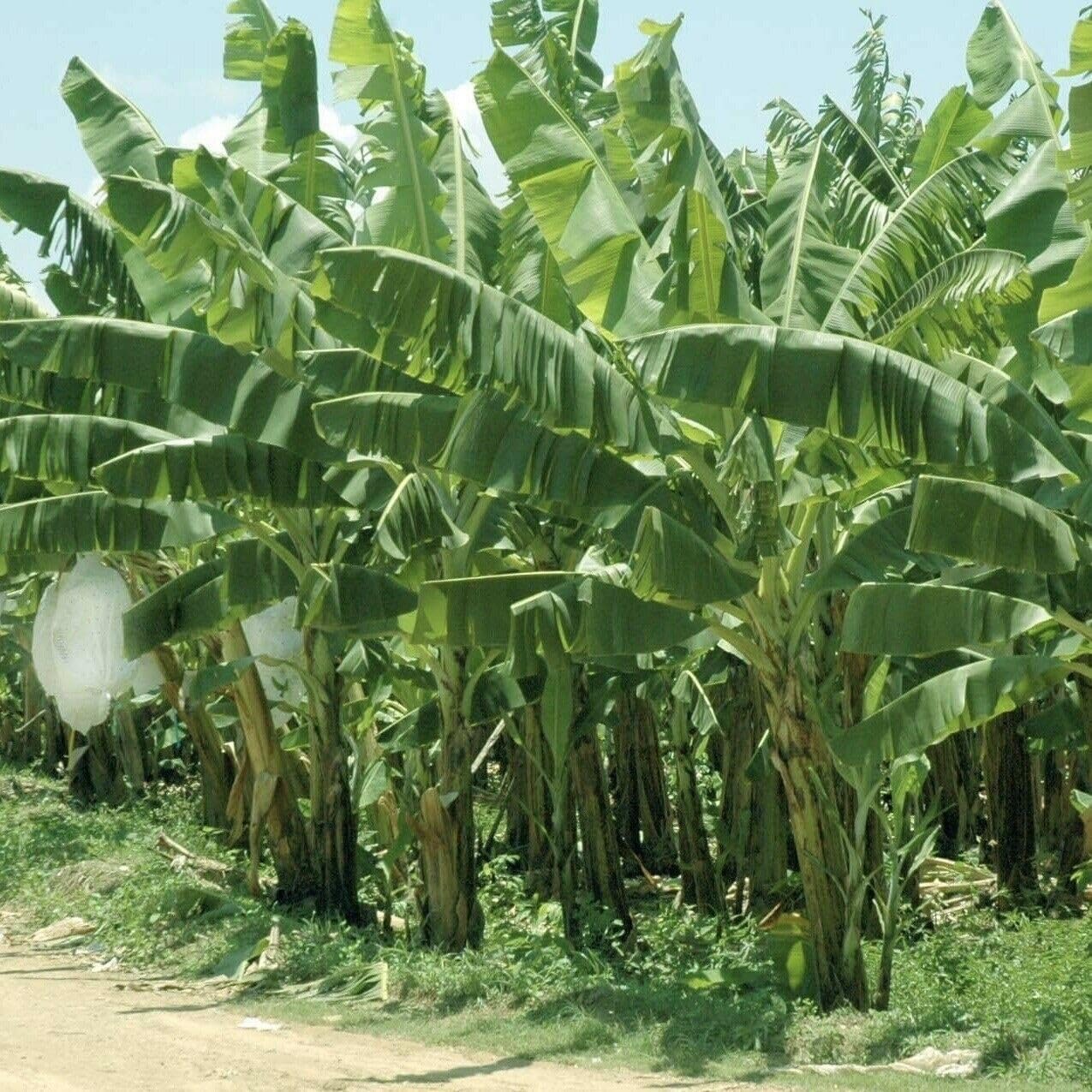
Lady Finger Banana Tree- Live Fruit Tree Tropical Plantae
Product details
| Management number | 214752731 | Release Date | 2026/04/12 | List Price | $16.00 | Model Number | 214752731 | ||
|---|---|---|---|---|---|---|---|---|---|
| Category | |||||||||
The Lady Finger Banana, scientifically known as *Musa acuminata*, is a beloved banana variety prized for its smaller size, naturally sweet flavor, and versatility. Also known as sugar bananas or baby bananas, this cultivar is a popular choice among home gardeners and commercial growers alike. Its manageable growth habit, high productivity, and delicious fruit make it a standout in tropical and subtropical regions. Appearance and Characteristics: The Lady Finger banana plant is a fast-growing, herbaceous plant that reaches a height of 10 to 15 feet (3 to 4.5 meters), making it smaller and more compact than other banana varieties. Its pseudostem is formed from tightly packed leaf sheaths and has a smooth, green appearance with occasional reddish streaks. The leaves are broad, elongated, and bright green, adding a lush, tropical look to gardens and landscapes. The fruit of the Lady Finger banana is slender and cylindrical, typically 3 to 5 inches (8 to 13 cm) long. The bananas are bright yellow when ripe, with a thin peel and a creamy, tender interior. They are exceptionally sweet and have a subtle honey-like flavor, making them a favorite for fresh eating, desserts, and snacks. Growing Conditions: Lady Finger bananas thrive in warm, tropical to subtropical climates and are best suited for USDA hardiness zones 8 through 11. They require temperatures above 50°F (10°C) to thrive and are sensitive to frost. In cooler climates, they can be grown in containers and moved indoors during winter. These plants prefer well-draining, fertile soil rich in organic matter, with a slightly acidic to neutral pH range of 5.5 to 7.0. Full sun exposure is essential for optimal growth and fruit production, though they can tolerate partial shade in extremely hot climates. Watering and Fertilizing: Consistent watering is critical for Lady Finger banana plants, especially during their active growth and fruiting stages. The soil should remain evenly moist but not waterlogged, as excessive moisture can lead to root rot. Deep watering every few days is recommended, with adjustments based on local climate and soil conditions. Fertilizing regularly with a balanced fertilizer rich in nitrogen (N), phosphorus (P), and potassium (K) ensures healthy growth and enhances fruit production. During the growing season, apply fertilizer every 4 to 6 weeks, or use a slow-release formula for steady nutrient supply. Organic compost, well-rotted manure, or mulch can also be used to improve soil fertility. Care and Maintenance: Lady Finger bananas are relatively low-maintenance plants but benefit from routine care to maximize their productivity. Remove any dead or damaged leaves to maintain a tidy appearance and prevent the spread of pests or diseases. After harvesting, cut down the spent pseudostem, as each stem produces only one fruit bunch. This allows new suckers (pups) to grow and take its place. Mulching around the base of the plant helps retain soil moisture, regulate temperature, and suppress weeds. Organic mulch, such as wood chips or straw, also adds nutrients as it decomposes. Fungal diseases like leaf spot, Panama disease, or root rot may occur in overly humid conditions or poorly drained soil. Proper spacing, good air circulation, and avoiding waterlogged soil help reduce the risk of disease. Lady Finger bananas are propagated through suckers, also known as pups, which are shoots that grow at the base of the mother plant. To propagate, select healthy, vigorous suckers with well-developed roots, separate them from the mother plant, and transplant them into prepared soil. In commercial settings, tissue culture methods may be used to produce uniform, disease-free plants. Uses and Benefits: The Lady Finger banana is valued for its naturally sweet flavor and versatile culinary applications. The fruit is often enjoyed fresh as a snack or used in desserts, smoothies, baked goods, and fruit salads. Its small size and thin peel make it an ideal choice for children's lunches or on-the-go snacks. In addition to its culinary uses, the plant has ornamental value, adding a tropical aesthetic to gardens and landscapes. The plant’s broad leaves are also used in traditional cooking for wrapping and steaming food. Lady Finger bananas are a rich source of essential nutrients, including potassium, vitamin C, and dietary fiber. They are a natural energy booster and are often included in healthy diets for their nutritional benefits. Cultural and Culinary Significance: Lady Finger bananas hold a special place in tropical and subtropical cuisines, where their sweet flavor and smaller size are prized. They are a popular ingredient in desserts, such as banana fritters or caramelized bananas, and are often used in tropical fruit platters. Challenges of Cultivation: While Lady Finger bananas are easy to grow, they require consistent care to achieve optimal yields. Their high water and nutrient demands necessitate regular maintenance. Additionally, they are susceptible to strong winds due to their large leaves, so providing wind protection is advisable. Container Growth: Lady Finger bananas are well-suited for container gardening, making them an excellent choice for urban gardeners or those with limited space. Use a large container with drainage holes and fill it with a high-quality, well-draining potting mix. Container-grown plants require more frequent watering and fertilizing but offer the advantage of mobility, allowing them to be moved indoors or to sheltered areas during extreme weather. Conclusion: The Lady Finger banana (*Musa acuminata*) is a delightful and rewarding plant to grow, offering sweet, nutrient-rich fruit and lush, tropical beauty. With its manageable size, adaptability, and delicious bananas, it is a favorite among gardeners, homeowners, and farmers. Proper care, including regular watering, fertilizing, and pruning, ensures healthy growth and bountiful harvests. Whether enjoyed fresh, in recipes, or as a decorative addition to the garden, the Lady Finger banana is a versatile and valuable plant that embodies the charm of the tropics.
- The Hawaiian plantain tree (Musa spp.) is a stunning and productive tropical plant that offers both aesthetic beauty and practical benefits. Its nutrient-rich fruit, broad adaptability, and cultural significance make it an excellent choice for home gardeners, farmers, and tropical landscaping enthusiasts.
- Sun Exposure: Thrives in full sun, creating a serene, tropical atmosphere in your garden
- Soil Type: Grows best in well drained soil, ensuring proper nutrient absorption and water drainage
- Special Feature: High germination rate, ensuring a higher success rate for growing a fruitful avocado tree
| Color | green |
|---|---|
| Soil Type | Loam Soil |
| Brand Name | Generic |
| Unit Count | 1.0 Count |
| Manufacturer | tropicalplantae |
| Moisture Needs | Regular Watering |
| Material Features | Organic |
| Sunlight Exposure | Full Sun |
| Indoor Outdoor Usage | Outdoor |
| Expected Plant Height | 20 Meters |
| Expected Planting Period | Spring |
| Product Care Instructions | Plant the quenepa tree in well-drained soil and ensure it receives full sun. The tree is drought-tolerant but may require occasional watering during prolonged dry spells. Protect the tree from frost. |
| Plant or Animal Product Type | Tree |
| Other Special Features of the Product | High Germination Rate |
Bestseller ranking
FM Transmitters





Customers who viewed this product also viewed
Jerky



Correction of product information
If you notice any omissions or errors in the product information on this page, please use the correction request form below.
Correction Request Form